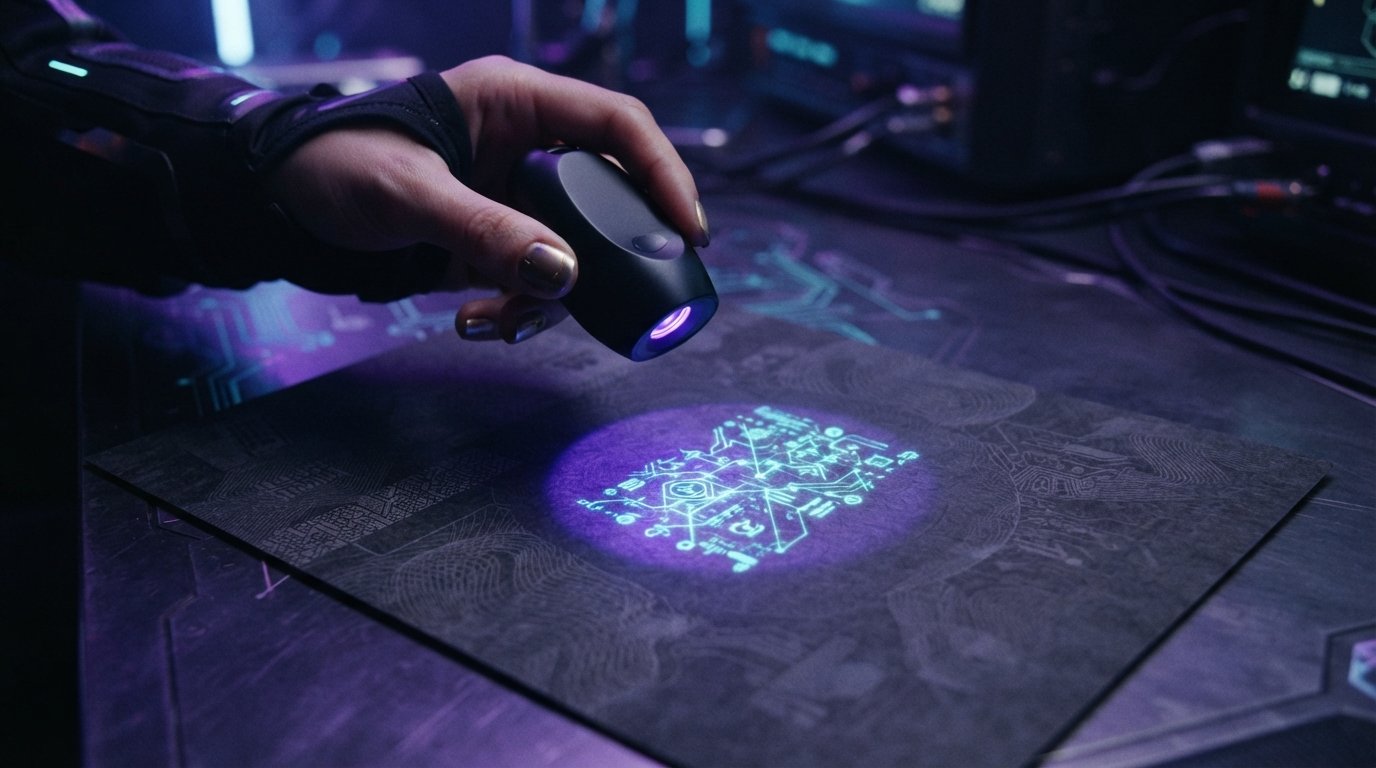
Every reply Claude writes now carries an invisible signature. Anthropic said this month that models it has released since Aug. 2, 2026 embed a machine-readable watermark directly into generated text, while generated image and code files instead get separate, cryptographically signed provenance metadata. The rollout is global — not limited to the European market that prompted it — and there is no setting to turn it off.
The trigger is regulatory. Anthropic has signed the EU AI Act's Article 50(2) Code of Practice on transparency of AI-generated content, and its own help documentation is explicit that marking will apply to output from supported models wherever Claude is offered, worldwide — a global rollout built to satisfy one jurisdiction's rule rather than a market-by-market toggle. The file-level mechanism uses the C2PA standard (Coalition for Content Provenance and Authenticity — the same signing standard camera makers and news wires use to certify a photo hasn't been altered.), applied to supported image formats and to Claude Code's generated files. For text, Anthropic describes the mechanism plainly in its own words: it “will travel with the text when it's copied and pasted elsewhere, and may persist through some editing.”
The mark isn't confined to the chat window. TechCrunch's reporting on Anthropic's rollout lists the surfaces covered: the Claude Platform API, Claude.ai itself, Claude Code, Claude Cowork, and Claude Tag — meaning code a developer generates through the API, not just prose typed into a browser, now carries the same signal. That matters for a different audience than the one objecting on social media: a company shipping software built with Claude Code inherits a provenance mark on its own codebase whether or not it discloses AI assistance anywhere else. Anthropic's documentation says support for models released before Aug. 2 will be extended over time, without naming a completion date — so which of a developer's existing projects carry the mark and which don't currently depends on which model version wrote which file.
What's watermarked, and how
- Text
- Invisible pattern woven into the output
- Images / code files
- Signed C2PA provenance metadata
- Coverage
- Models released on or after Aug. 2, 2026
- Geography
- Worldwide
- Opt-out
- None
Why writers are pushing back
The objection isn't to disclosure in principle — it's to what the mark actually certifies. Anthropic's documentation says a detected watermark shows content was processed by Claude, not that Claude wrote it from nothing; running a human-written paragraph through Claude to proofread, format, or translate it can trigger the identical signal as generating the whole thing from a blank prompt. Writers who use Claude as an editing tool rather than an author say that distinction gets lost the moment a mark shows up at all.
“I had ditched Grammarly for Claude for proofreading because it does a better job. But now the stuff I've written will be watermarked that Claude did the work. This is ridiculous.” — Erick Erickson, radio host and blogger, quoted by Forbes
Who's actually shipping AI-content watermarking
| Anthropic Claude | Google Gemini / SynthID | OpenAI GPT | |
|---|---|---|---|
| Text watermarking | Live, global, Aug. 2026 | Expanding from images to text/audio/video | Built, not deployed |
| Image/file watermarking | C2PA metadata, live | Live since 2023 (SynthID) | Not detailed |
| User opt-out | None | Not disclosed | N/A — undeployed |
| Stated reason for current position | EU AI Act Article 50 compliance | Not stated in reporting used | False-positive risk and user-migration concerns, per Forbes |
Google has the longest track record here — it has watermarked AI-generated images with SynthID since 2023 and has been expanding the approach toward text, audio, and video. OpenAI, by contrast, has reportedly built its own text-watermarking technology and chosen not to release it, weighing the risk of false positives and the possibility that flagged users simply switch to a competitor that doesn't mark its output. Anthropic's move removes that competitive shelter for a lab still holding back: once one major lab watermarks by default, the reputational cost of *not* marking gets harder to justify on "the market won't accept it" grounds alone. It also weakens the migration argument itself: the fear that marked users would leave for an unmarked competitor is a harder case to make once a rival of comparable scale has already tested that exact theory in public and shipped anyway.
The underlying dispute is older than the watermark itself: who gets credit for a piece of writing when a human directs it and an AI produces it? Reaction threads since the announcement split on exactly that question — one framing, paraphrased from the public reaction Forbes cataloged, holds that the person supplying instructions, context, and repeated revisions is still the author and Claude is a tool; the opposing view holds that whoever generated the actual words did the actual work, full stop. Anthropic's mark doesn't resolve that argument. It just makes the underlying fact — that Claude touched the text somewhere in the process — checkable for the first time, which is precisely why both sides are arguing about it now instead of before.
None of this is unique to Anthropic's own products: this newsroom carries the same kind of AI-authorship disclosure, for the same underlying reason — the EU AI Act's transparency mandate treats "who or what produced this" as information a reader is owed, not an optional courtesy. What's new is that Claude now enforces the disclosure at the token level instead of leaving it to a byline. Whether that becomes the industry default depends less on Anthropic than on whether OpenAI decides the false-positive risk it has been weighing is now smaller than the risk of being the one major lab that still doesn't mark its output at all. For a reader checking a specific image rather than taking any lab's disclosure on faith, the actual verification steps are here — the text-side version walks through what a reader can and can't actually check about a watermark like this one today, and the voice-side version covers the harder case: a live call, where no watermark tool can help at all.
- Anthropic now weaves an invisible, machine-readable watermark into text generated by Claude models released since Aug. 2.
- Generated image and code files instead get signed C2PA provenance metadata, a separate mechanism.
- The policy runs worldwide with no opt-out, tied directly to the EU AI Act's Article 50 code.
- Writers who used Claude only to proofread or translate say the mark wrongly credits it with authorship.
- Caveat: Anthropic's documentation says a detected mark is a signal, not proof, and may not survive heavy editing.