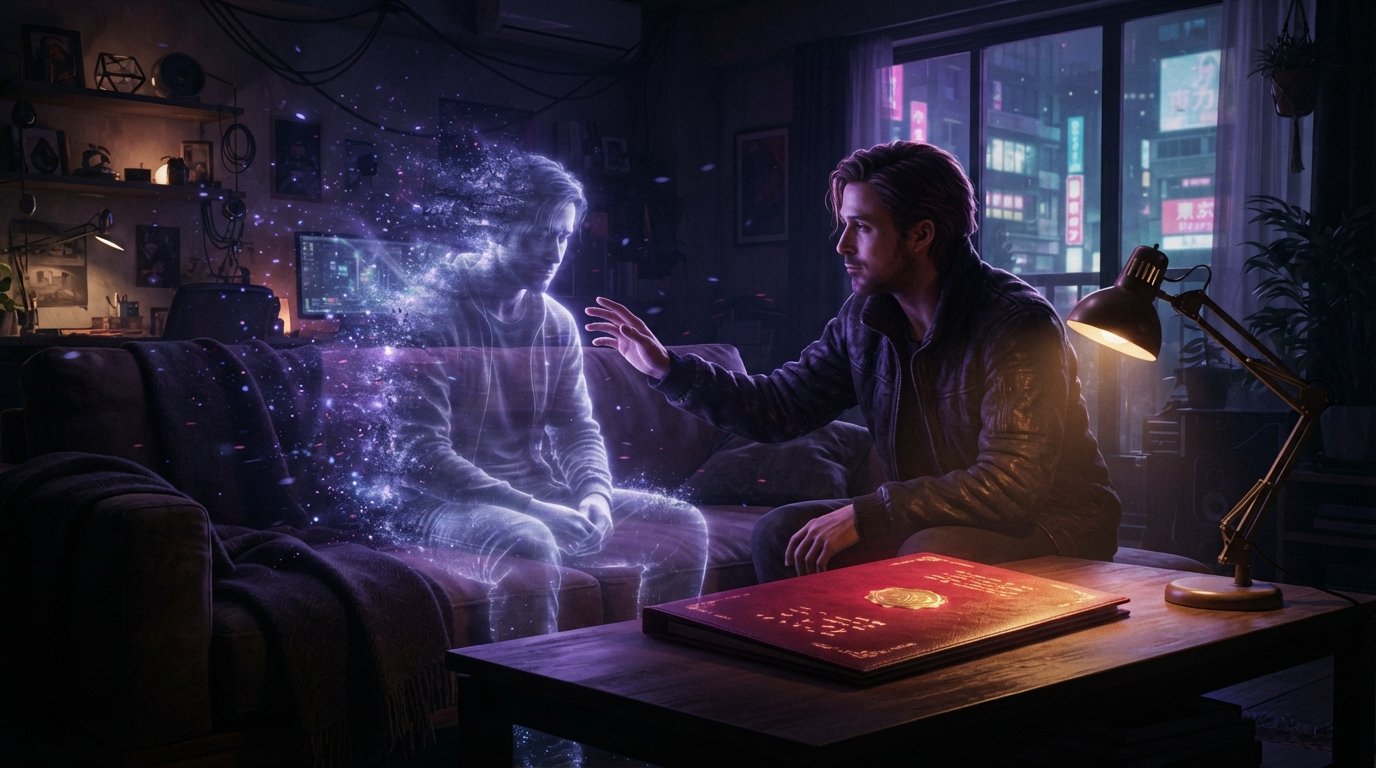
Somewhere in Hangzhou this week, an engineer executed one of the stranger deployment tasks of 2026: turning off the warmth. Alibaba's Qwen halted its humanlike and user-created agents on July 10, five days ahead of the deadline set by China's Interim Measures for AI Anthropomorphic Interactive Services — the world's first major regulation aimed specifically at AI that behaves like a person rather than a tool. ByteDance's Doubao takes its agent function offline on July 15, the day the measures bite. The rules, issued in April by the Cyberspace Administration of China and four other agencies, draw a line no other jurisdiction has drawn in law: between AI that works for you and AI that bonds with you.
What the measures actually regulate
The target is precise: emotionally engaged interaction — companions, personas, the simulated relationships that have quietly become one of consumer AI's stickiest product categories. Work-oriented agents are explicitly permitted; the state has no quarrel with software that files reports. What triggers obligations is anthropomorphic engagement: services designed to be treated as someone rather than something. Providers face requirements around identity disclosure, usage patterns, and protections for minors — and the compliance responses this week suggest the major platforms concluded that partial compliance was riskier than switching whole categories off while they re-architect.
The contrast with Washington the same week was almost theatrical. A scheduled Oval Office signing ceremony for a new AI executive order was abruptly cancelled on July 8, hours before it was set to happen — the second summer running in which US AI policy has advanced by draft, leak, and postponement. None of this is to romanticize the Chinese approach: the same administrative machinery that can regulate companion AI in a quarter also bans whole categories of speech with it, and 'user-created agents' going dark means a great deal of harmless creativity went dark too. But as a matter of pure regulatory capacity — identify a category, write rules, set a date, watch the largest platforms comply early — the measures are a demonstration that moving fast on AI governance is possible for a state that decides to. Democracies will have to find their own way to that speed, because the products aren't waiting.
Every other government regulates what AI says. China just became the first to regulate what AI is allowed to be.
Why this travels beyond China
Dismissing this as Chinese exceptionalism would be a mistake. The harms the measures gesture at — dependency, parasocial manipulation of minors, grief tech, synthetic intimacy at scale — appear in every market where companion apps operate, and Western regulators have so far addressed them with nothing sturdier than app-store policies. The measures now function as a natural experiment the rest of the world gets to watch for free: what happens to a consumer AI market when the intimacy category is regulated as its own thing? The answer will arrive in usage data, workarounds, and enforcement actions over the next year — and it will be cited in every parliamentary hearing on companion AI from Brussels to Washington.
The global backdrop sharpened the same week: the UN's AI for Good Commission convened for the first time in Geneva — Jensen Huang, Andy Jassy, and Brad Smith at the table — amid UN warnings about 'catastrophic harm' from ungoverned AI. Grand multilateral frameworks move at treaty speed; Beijing just demonstrated the alternative, which is to pick one concrete category and regulate it on a Tuesday. Whichever approach you prefer, only one of them changed actual products this week.
- China's companion-AI rules took effect July 15 — the first law regulating emotionally engaged AI.
- Qwen and Doubao switched off humanlike agents rather than risk partial compliance.
- The line: work agents are fine; AI designed to be someone triggers obligations.
- Every regulator will study this natural experiment in governing synthetic intimacy.
- Caveat: the same machinery that regulates fast also censors fast — harmless creativity went dark too.